
Part 2 How Movement/Posture affects Hormones
Why Posture Matters!
Did your mother ever tell you to sit up and eat your food? Intuitively mothers knew this was best for digestion and absorption of nutrients.
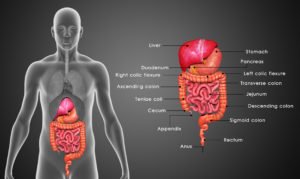
Poor Posture squishes all those organs
A study by Andrew M. Howerda et al. Body Position Modulates Gastric Emptying and Affects the Post-Prandial Rise in Plasma Amino Acid Concentrations Following Protein Ingestion in Humans. Determined that the position of your head was extremely important to how well you digested your food. Forward head posture with a head tilt decreased protein digestion and amino acid absorption by 54%. Sitting up straight and bringing your fork to your mouth was the best for absorption of nutrients.
Dainese et al., 2003 in Gut Influence of body posture on intestinal transit of gas, supports that posture directly affects the amount of gas and indigestion. Gas transit and evacuation were significantly faster in the upright position overlying on your back.
Power Posture Affects Your Career
A study by Dr. Carney et al. Power posing: brief nonverbal displays affect neuroendocrine levels and risk tolerance, discovered that power posture positions in an office setting, changed neuro endocrine functions by elevating testosterone and decreasing cortisol, posture also changed behaviors.

Victory Pose
Individuals in powerless positions, sitting, crossing legs submissive positions, exhibited the opposite neuroendocrine changes, decreased testosterone and increased cortisol. Sitting for extended periods of time starts to degrade the body. No blood flow to parts of the body means no oxygen, no nutrients to those cells, so they begin to die. Sitting for long periods of time is killing you at a faster rate.
Poor Posture
Slumping, slouching and rounded shoulders, not only creates fatigues in muscles, fascial imbalances that affect internal organ function it also affects the hormonal production. No circulation means it is harder to transport hormones throughout your body.
Why is movement important to your health?
Exercise not only makes you feel better. It helps to prevent dementia and Alzheimer’s. Exercise elicits an acute hormonal response for tissue growth and remodeling.
What Hormones control in the body
- Energy
- Metabolism
- Tissue Growth
- Hydration levels
- Mood
- Degradation of muscles
- Reproductive process
- Burn fat
Hormones Simplified
3 Classifications
- Steroid
- Peptide
- Amines
Anabolic means to help build new tissue and catabolic is breaking down tissue.
Insulin
Insulin is a peptide hormone secreted by the Pancreas to regulate carbohydrate and fat metabolism. The insulin like growth factor 1(IGF1) produced in the liver is crucial to skeletal muscle growth.
To understand what that means; refined sugar in our diets can increase blood sugar. If blood sugar is high, it promotes storage and absorptions of glycogen and glucose. Movement and exercise activate the sympathetic nervous system and suppresses the release of insulin.
Training Tip
Avoid sugary drinks or sports drinks before a workout. If you have them, it’s better to wait until you start to sweat before ingesting. Remember water is always the best choice.
Glucagon releases from the Pancreas
Glucagon is used during exercise, it releases free fatty acids from adipose and increases blood sugar levels for optimal performance. As glycogen levels deplete during exercise glucagon releases additional glycogen stored in the liver, helps you burn fat for energy.
Movement affects your muscles, fascia bones, pancreas, liver, digestion tract, brain and nervous system.
Cortisol Gets a Bad Rap
Cortisol frequently discussed in the news. Too much cortisol creates belly fat. Just the right amount helps metabolize fat. Cortisol is a catabolic steroid hormone released by the adrenal glands in response to stress, low blood sugar, and exercise.

Good stress or Bad?
Good Stress vs. Bad Stress
Continual stress, being in a hurry, not having enough time, feeling like you can’t breathe or make one more commitment, is severe stress if it never has an end date even over-training is a bad stress. Higher cortisol levels can catabolize muscle protein. Using muscle tissue for fuel instead of conserving it for repair. Too much stress will break down organs, muscle tissue, and other structures.
Exercise is stress on the body, getting married, moving, hiking a mountain, and going on a trip. The right amount of stress is healthy. Cortisol supports energy metabolism, the breakdown of triglycerides and protein to create glucose necessary for help fuel exercise. In optimal range, cortisol promotes fat metabolism.
Epinephrine and Norepinephrine are Amine Hormones
Help to support the sympathetic nervous system to produce energy and in regulating the body function during cardio.
Epinephrine
- Elevates cardiac output
- Increases blood sugar
- Supports fat metabolism
Norepinephrine
- Constricts blood vessels in parts of the body not involved in exercise
Testosterone is a Steroid Hormone
- Growth
- Repair
- Human growth hormone is a peptide hormone
- Secreted by the anterior pituitary gland
- Stimulates
- Cellular growth
- Muscle and bone growth
- Supports immune function
- Promotes fat metabolism
High-intensity exercise cardio sprints for example or power training stimulate testosterone. Prolonged cardio over training or extreme cardiovascular exercises 40-mile hike or walk lowers testosterone,
Brain Derived Neurotropic Factor (BDNF)
Brain Derived Neurotropic factor is a neurotransmitter. BDNF helps stimulate the production of new cells in the brain. High-intensity exercise can elevate BDNF to improve cognitive function. Any movement such as walking, stretching, Pilates, weight training and biking helps brain function.

Get moving
Movement and Posture
Movement is key to a healthy body and brain. Posture affects your energy levels, your digestion, and your hormonal system. Understanding the intricate connection helps individuals make informed choices whether to eat while lying down or slumped over their I-phone or by having a meal at the table sitting upright. Being in fight or flight all the time may seem productive but ages the body.
For additional information on movement therapy, concussions, hosting a workshop or fascia therapy email me info@simonefortier.com
If you missed Part 1 https://www.simonefortier.com/blog/fascia-training-institute/movement-key-pain-free-life/