
Correlation between Fascia and Concussion.
I always said in jest that Rodeo/Bull riders don’t need me they need JD. (Jack Daniels) The reasoning behind that statement is Rodeo Riders are tough and crazy. They could cut off a limb; bandage it up and get back on. Go hard or go home.
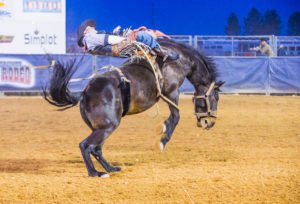
Whiplash and concussion are common, both on and off the horse.
Times have changed somewhat, awareness has improved, and the practice of prevention has increased. Bull riders and rodeo cowboys now wear a flak jacket and sometimes a helmet.
The helmets do not protect the brain from constant whiplash or sloshing around of the brain while they are riding, it does provide some protection when they hit the ground or are trampled. In fact, it might save their lives. The effects of this constant trauma to the brain accumulate with each whiplash or head injury.
According to the National Institute of Health (NIH), 10 to 20 percent don’t recover from Brain Trauma or Concussion. Why Not?
My hypothesis:
There are several reasons for slow or no recovery
- Going back to play or sport too soon. When is the right time? Common sense would say when you are symptom-free for at least a couple of weeks/months go back to your sport or activity.
- Rest is often not enough! Cranial/Brain therapy, osteopathic treatments, eye exercises, fascia release of neck and shoulders is essential. Treatments like Fascia Training Institute’s 5 Step Concussion Protocol is beneficial for facilitating healing, and a quick recovery.
- ADD/ADHD may complicate a concussion and prolong recovery. According to the research of Judith Balazs ET all, World Journal of Psychiatry 2017, March 22 7 (1) 44-59 and many other studies. There is a definite association between ADHD both for male and females to suffer from depression and suicidal thoughts.Concussion has a profound effect and elevates the feelings of sadness, helplessness, frustration, pain, and suicide.

Fascia protects your brain.
It would make sense to assume most athletes are seeking the feeling or the high of the adrenaline rush when competing. The athletic population may have a higher percentage of ADHD or ADD. The athlete’s brain is already taxed, meaning it is always in fight or flight this could account for the slower recovery from brain injury.
The trauma puts them over the edge, and their bodies simply do not have the resources to heal. This would impair their ability to calm the brain down and use higher functioning abilities to compensate., repair is limited or slower.
What happens if your brain receives too many hits?
- Loss of focus/mental capabilities
- Personality shifts
- Anger/Rage
- Depression
- Inability to make clear decision
- Suicide
Fascia
It is important to understand that the fascia has a significant role in protecting the brain, neck, glands, the eyes, ears and all the vessels in the cranium. The deep fascia adheres to the skull and is hard to separate from the muscles of the cranium, For example, The Deep Fascia of the orbit is tightly bound with the ocular muscles is can be considered one unit.
Research
Research shows the relationship between concussions, headaches, migraines, blurred vision, double vision, and inability to read or focus eyes. The strain on the optic nerve and the orbit can also change the brain. Treatment of the eyes and ears are crucial in head injuries, as well as decompression of the sphenoid and frontal bones is essential to releasing pressure in the brain.
The Fascia Training Institute’s 5 Step protocol is the beginning to help athletes get out of fight/flight, help auditory and visual impairment so the brain can heal.
Preventing and addressing the symptoms of concussion is imperative to brain health and function.